
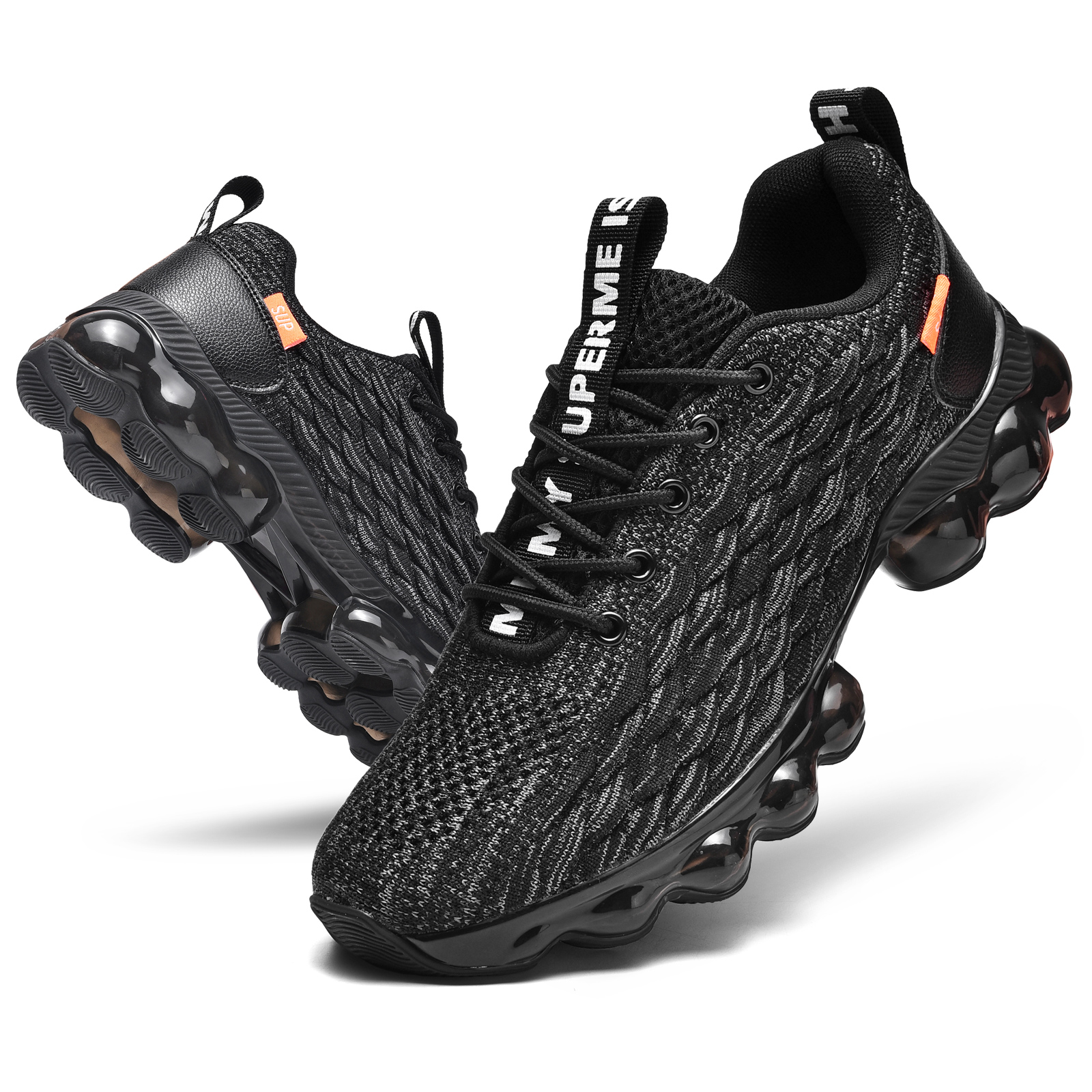
Walking Shoes vs. Running Shoes: Choosing the Right Footwear for Your Fitness Journey
When it comes to fitness, having the right gear can make all the difference. Among the most crucial pieces of equipment for anyone looking to stay active are shoes. But with so many options available, it can be tough to know which type is best suited for your needs. In this comprehensive guide, we’ll explore the key differences between walking shoes and running shoes, helping you make an informed decision that aligns with your fitness goals.
Understanding the Basics: Walking Shoes vs. Running Shoes
Walking and running are both popular forms of exercise, but they engage the body differently, which is why the footwear designed for each activity varies significantly. Let’s break down the main differences.
1. Design and Structure
Walking Shoes:
- Flexibility: Walking shoes are designed to be more flexible in the forefoot area. This allows for a natural foot movement as you roll from heel to toe.
- Cushioning: They typically have less cushioning than running shoes because the impact is less severe. The midsole is often softer, providing comfort without excess bulk.
- Heel Height: Walking shoes usually have a lower heel-to-toe drop, which promotes a more natural stride and foot position.
Running Shoes:
- Stability: Running shoes offer more structure and support, particularly in the midfoot and heel. This is crucial for the increased forces experienced during running.
- Cushioning: They feature more advanced cushioning technology to absorb the larger impacts of running. This helps reduce stress on joints and minimizes the risk of injury.
- Heel Height: Running shoes generally have a higher heel-to-toe drop, designed to accommodate the forward motion and increased heel strike during running.
2. Weight
Walking Shoes:
- Lighter and designed for ease of movement, as walkers do not require the same level of support as runners.
Running Shoes:
- Typically heavier due to added cushioning and support, but advancements in technology have led to many lightweight options.
3. Traction and Outsole
Walking Shoes:
- The outsoles are often flatter and less aggressive, suitable for urban or indoor walking environments. The traction is sufficient for various surfaces but does not require deep lugs.
Running Shoes:
- Running shoes have a more aggressive tread pattern for better grip on different terrains. This ensures stability and traction, especially when navigating uneven surfaces.
4. Durability
Walking Shoes:
- Designed for less intense use, they generally have a shorter lifespan compared to running shoes.
Running Shoes:
- Built to withstand the rigors of regular running, they often include durable materials to prolong their lifespan.
Why Choosing the Right Shoe Matters
Wearing the appropriate footwear is essential for preventing injuries and enhancing performance. Here are some reasons why making the right choice is crucial:
- Injury Prevention: Using shoes not designed for your activity can lead to discomfort and injuries such as blisters, tendonitis, and plantar fasciitis.
- Performance Improvement: The right shoes can enhance your performance. Runners will benefit from the extra cushioning and support of running shoes, while walkers will find comfort in walking shoes.
- Comfort and Enjoyment: Proper footwear enhances your overall experience, making your workouts more enjoyable and less painful.
How to Choose the Right Shoe for You
1. Identify Your Activity Level
- Casual Walker: If you enjoy leisurely walks, a walking shoe with basic support and comfort may suffice.
- Regular Walker: For those who walk several times a week, consider investing in a high-quality walking shoe that offers better support and cushioning.
- Runner: If you run regularly, choose running shoes that provide the necessary support for distance and intensity.
2. Consider Foot Type
Understanding your foot type can help you choose the right shoe:
- Neutral: If your foot has a normal arch and you tend to roll slightly inward when you walk or run, look for neutral shoes.
- Overpronation: If your foot rolls inward excessively, opt for stability or motion control shoes that offer extra support.
- Supination (Underpronation): If your feet roll outward, consider cushioning shoes designed to provide added shock absorption.
3. Try Them On
Always try on shoes before purchasing. Here are a few tips:
- Fit: Ensure there’s enough room in the toe box to wiggle your toes, and your heel should fit snugly without slipping.
- Comfort: Walk or jog around the store to test comfort and support.
- Socks: Wear the type of socks you plan to use when exercising.
4. Budget Considerations
While it’s tempting to opt for cheaper options, investing in quality footwear can save you money in the long run by preventing injuries and enhancing performance.
Popular Brands for Walking and Running Shoes
Walking Shoe Brands
- New Balance: Known for their comfort and support.
- Skechers: Offers a variety of styles with ample cushioning.
- ASICS: Provides walking shoes designed for stability and comfort.
Running Shoe Brands
- Nike: Renowned for innovative technology and stylish designs.
- Adidas: Offers a range of running shoes with excellent cushioning.
- Brooks: Specializes in running footwear, focusing on comfort and performance.
FAQs: Walking Shoes vs. Running Shoes
1. Can I use running shoes for walking?
Yes, you can use running shoes for walking. However, they may not offer the same flexibility and comfort as walking shoes designed specifically for that purpose.
2. Do I need different shoes for walking and running?
If you regularly engage in both activities, it’s advisable to have separate shoes. Each shoe type is designed to support the specific movements and impact levels associated with walking or running.
3. How often should I replace my shoes?
Generally, walking shoes should be replaced every 300-500 miles, while running shoes may need replacement every 300-500 miles depending on usage, weight, and running style.
4. What features should I look for in walking shoes?
Look for lightweight materials, good arch support, a flexible sole, and adequate cushioning to ensure comfort during your walks.
5. Can wearing the wrong shoes cause injuries?
Yes, wearing inappropriate footwear can lead to various injuries, including blisters, shin splints, and joint pain. It’s essential to choose shoes that fit your activity level and foot type.
Internal Links for Further Reading
External Links for Reference
By prioritizing the right footwear, you pave the way for a healthier, more active lifestyle. Happy walking or running!
Walking Shoes vs. Running Shoes
Any tips for maintaining shoe longevity?
Maintaining the longevity of your shoes is essential for ensuring they remain comfortable, stylish, and functional over time. Here are some effective tips to help you extend the life of your footwear:
1. Invest in Quality Shoes
Choosing high-quality shoes made from durable materials is the first step in ensuring longevity. Look for options crafted from natural leather, suede, or high-grade synthetic materials. These tend to withstand wear and tear better than cheaper alternatives, which may deteriorate quickly
.
2. Use Shoe Trees
Shoe trees are a fantastic investment for maintaining the shape of your shoes. They help absorb moisture and prevent creasing, which can lead to cracking over time. Cedar shoe trees are particularly effective as they also help eliminate odors
. Make sure to insert them after each wear to keep your shoes looking fresh.
3. Allow Shoes to Breathe
After wearing your shoes, allow them to air out for at least a day. This helps to dissipate moisture and odors trapped inside. If your shoes got wet, stuff them with newspaper to absorb excess moisture and maintain their shape
4. Rotate Your Footwear
Avoid wearing the same pair of shoes every day. Rotating your footwear gives each pair time to rest and recover, which can significantly extend their lifespan. This practice also helps prevent the development of odors and moisture buildup
.
5.Clean Regularly
Regular cleaning is crucial for maintaining your shoes. Use a soft brush or cloth to remove dirt and dust after each wear. For deeper cleaning, follow the manufacturer’s instructions based on the shoe material. For leather shoes, consider using a leather conditioner to keep the material supple
.
6. Protect with Sprays
Applying a protective spray designed for your shoe material can help shield them from water, stains, and dirt. This is especially important for leather and suede shoes, which can be more susceptible to damage.
7. Store Properly
When not in use, store your shoes in a cool, dry place. Avoid plastic boxes that trap moisture; instead, opt for breathable fabric bags or boxes. If you’re storing them for an extended period, ensure they are clean and dry
.
8. Polish and Shine
Regularly polishing your shoes not only keeps them looking great but also protects the leather. Use a quality shoe polish that matches the color of your shoes and apply it according to the product instructions
.
9. Replace Worn Parts
Keep an eye on the soles and heels of your shoes. If they start to wear down, consider having them re-soled or heeled by a professional. This can be a cost-effective way to extend the life of your favorite pairs
.
10. Avoid Extreme Conditions
Try to avoid exposing your shoes to extreme weather conditions, such as heavy rain or snow, especially if they are not designed for such environments. If they do get wet, dry them naturally at room temperature and avoid direct heat sources.By following these tips, you can significantly enhance the longevity of your shoes, ensuring they remain a reliable part of your wardrobe for years to come. Taking a little time to care for your footwear will pay off in comfort, style, and savings in the long run!
